


Wole Soyinka
His "wide cultural perspective and poetic overtones fashioning the drama of existence" earned him the 1986 Nobel Prize in Literature.
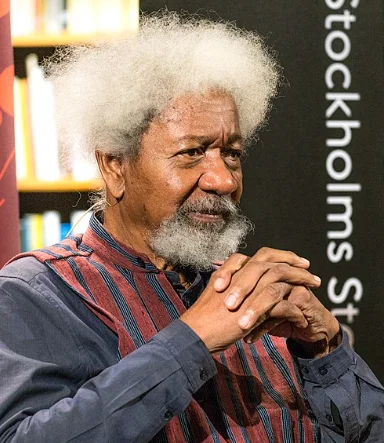
Playwright & Nobel Laureate
| Field | Detail |
|---|---|
| Born | July 13, 1934 (Abeokuta, Nigeria) |
| Nationality | Nigerian |
| Education | University College Ibadan; University of Leeds |
| Current Net Worth | Not Publicly Disclosed |
| Title | Playwright; Poet; Novelist; Political Activist; Professor of Literature |
| Key Status | #NobelLaureate, #LiteraryIcon, #PoliticalActivist, #AfricanLiterature |
Akinwande Oluwole Babatunde Soyinka (born July 13, 1934) is a Nigerian playwright, poet, novelist, and political activist. He is widely regarded as one of Africa’s greatest writers and became the first African laureate of the Nobel Prize in Literature in 1986. His works often explore themes of colonialism, justice, tyranny, and the complexities of African identity.
Early Life and Education#
Soyinka was born in Abeokuta, Nigeria, then part of British colonial rule. Raised in a family that valued education, he was exposed to both traditional Yoruba culture and Western influences, which later shaped his literary perspective.
He studied at University College Ibadan before continuing at the University of Leeds in the United Kingdom, where he developed his interest in drama and literature.[3]
Literary Career#
Early Plays#
Soyinka gained prominence with plays such as A Dance of the Forests (1960), written for Nigeria’s independence celebrations. His early works combined traditional African storytelling with modern dramatic techniques.

Major Works#
Among his most celebrated plays are The Lion and the Jewel (1959), Kongi’s Harvest (1965), and Death and the King’s Horseman (1975). These works examine cultural conflict, political power, and moral responsibility.
Prose and Poetry#
In addition to drama, Soyinka has written memoirs, essays, and poetry. His autobiographical works provide insight into his political activism and personal experiences during periods of imprisonment and exile.
Political Activism#
Soyinka has been an outspoken critic of authoritarian regimes and social injustice. During the Nigerian Civil War, he was imprisoned for attempting to mediate peace, an experience that deeply influenced his later writings.
Awards and Recognition#
In 1986, Soyinka received the Nobel Prize in Literature for his profound contributions to drama and literature. He has also received numerous international honors recognizing his artistic achievements and commitment to human rights.
Style and Influence#
Soyinka’s work is known for blending Yoruba mythology, ritual, and symbolism with Western literary forms. His writing often challenges oppressive power structures and emphasizes moral responsibility.
Legacy#
As a pioneering figure in postcolonial literature, Soyinka has influenced generations of writers and intellectuals worldwide. His enduring impact lies in his fearless engagement with political issues and cultural identity.
References
- Nobel Prize — Wole Soyinka Facts.
- Encyclopaedia Britannica — Biography.
- University of Leeds Archives — Alumni Records.
- African Theatre Studies — Independence Era Drama.
- Oxford Companion to African Literature — Author Entry.
- Literary Memoir Studies — Autobiographical Works.
- Human Rights Watch — Historical Profiles.
- Postcolonial Literature Journal — Critical Analysis.









Community involvement is essential for successful conservation. Local people, who often depend on forests for their livelihoods, play a significant role in managing these resources sustainably. Education and awareness programs help foster a sense of ownership, ensuring that forests are protected and preserved for future generations.
Engaging local communities is vital for successful conservation efforts. Since many depend on forests for their livelihoods, they are key players in sustainable resource management. Raising awareness and providing education empower these communities, fostering a shared commitment to protect forests for the future.
This was an intriguing article! I appreciate how it captures the essence of modern intellectuals and their diverse thoughts. The analysis was insightful and made me reflect on how these thinkers influence our current world. It’s not often that we get such a deep dive into the minds of today’s intellectuals.
Thank you for your thoughtful feedback! I’m glad to hear that the article resonated with you and sparked reflection. Exploring the ideas of modern intellectuals is always fascinating, especially when considering their impact on our world today.
Thank you for your kind words! I’m glad the article resonated with you. It’s always fascinating to explore the thoughts of modern intellectuals and their influence on our world. I appreciate you taking the time to reflect on these ideas. If there are specific topics or thinkers you’d like to see more of, feel free to share!
I’m so glad you found the article intriguing! The diverse perspectives of modern intellectuals truly shape how we see the world, and it’s rewarding to explore their impact in depth. It’s always inspiring to hear how others interpret these complex ideas. If you have any specific thinkers or topics you\’d like to dive deeper into, I’d love to hear your suggestions!
Comments are closed.